Strains
Nepalese Highland Strain Review: Flavor, Effects, THC, and Grow Info

The Nepalese Highland strain is a classic sativa-dominant landrace that has been grown for generations in the mountains of Nepal. Known for its clear, uplifting high and spicy herbal profile, this traditional variety offers energetic effects alongside a complex mix of incense, earth, and sweet hash notes.
Nepalese Highland Strain Quick Facts
| Strain Type | Sativa-dominant landrace |
| Genetics | Native Nepalese Highland mountain landrace |
| THC | 16 to 22 percent |
| CBD | Generally less than 1 percent |
| Dominant Terpenes | Myrcene, limonene, pinene, humulene |
| Primary Flavors | Earthy, spicy hash, herbal, floral, citrus peel |
| Effects | Uplifting, clear-headed, creative, energizing |
| Grow Difficulty | Medium to hard |
| Flowering Time | 10 to 12 weeks |
| Best For | Daytime use, outdoor adventures, creativity, social sessions |
What Is the Nepalese Highland Strain?
The Nepalese Highland strain is a traditional mountain variety that comes from the rugged hills and valleys of Nepal. For decades, local farmers have cultivated these plants at high altitude for hand-rubbed hash, giving the strain a reputation for resin production and a distinctive incense-like bouquet.
As a sativa-leaning landrace, Nepalese Highland tends to grow tall and lanky, with long flowering times and a strong focus on cerebral, uplifting effects. Many modern breeders have used this backbone to create hybrids, but pure expressions of this Nepalese Highland cannabis strain still hold a special place among landrace enthusiasts and old-school hash lovers.
People are drawn to this strain for its bright mental clarity, energetic yet calm buzz, and its complex flavor and aroma that mix spice, earth, floral notes, and a sweet hash finish. If you enjoy strains with history and character, Nepalese Highland easily stands out.
Appearance of Nepalese Highland Buds
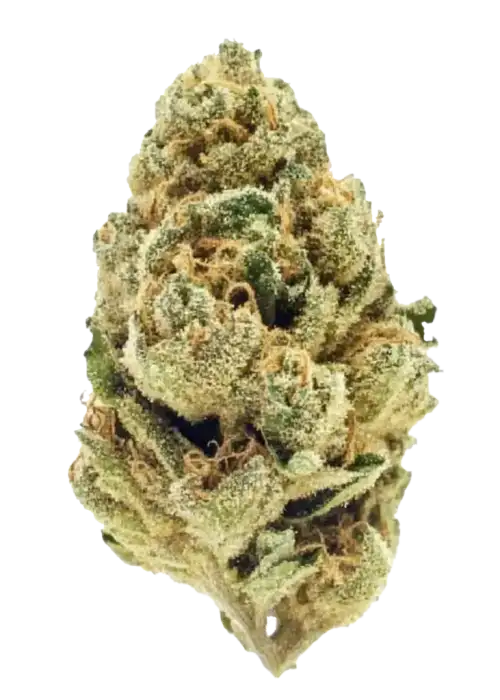
Nepalese Highland buds often show a classic sativa structure. The flowers are typically medium sized, elongated, and somewhat airy compared to dense modern hybrids. The calyxes are slim and stack in foxtail-like formations when conditions are ideal.
The coloration is usually a vibrant forest green, sometimes with lighter lime touches on the tips of the calyxes. Thin orange pistils twist through the bud, while a fine layer of trichomes gives the surface a frosty shimmer. It does not always look as chunky as Kush or Cookies varieties, but the resin coverage is impressive for a traditional mountain strain.
Growers who allow the plants to fully mature under strong sun or powerful indoor lighting will see the buds develop extra sparkle and a slightly more compact structure, while still keeping their naturally wild, highland look.
How Does the Nepalese Highland Strain Smell?
The aroma of Nepalese Highland is one of its most memorable traits. Before you even break the buds apart, you may notice a soft mix of dried herbs, earth, and a hint of floral sweetness. There is also a subtle incense character that hints at its traditional use in hashmaking.
Once you crack the buds open or run them through a grinder, the fragrance becomes much more expressive. Notes of spicy hash, citrus peel, black tea, and woody resin come forward. Some noses also pick up hints of pine and sandalwood, giving the overall bouquet a complex and exotic feel.
The smell ranges from moderate to fairly pungent, depending on how the flowers were grown and cured. It is not the loudest strain in the jar, but the layered scent profile tends to catch the attention of anyone who appreciates old-world landraces.
Nepalese Highland Flavor Profile
Flavor When Smoked
Smoked in a joint or pipe, Nepalese Highland weed starts off with an earthy, slightly woody base. The first few puffs often bring a spicy hash note, as if you are tasting a gentle version of traditional hand-rubbed charas. On the exhale, herbal and floral tones emerge, along with a faint sweetness that lingers on the tongue.
The smoke is generally smooth when the buds are properly dried and cured. Some phenotypes can be a bit sharper in the throat, especially if they were taken slightly early or rushed through drying. Overall, the flavor and aroma package leans classic and natural rather than candy-like or dessert-oriented.
Flavor in a Vaporizer
Vaporizing Nepalese Highland brings out even more nuance. At lower temperatures, delicate notes of citrus peel, wildflowers, and fresh herbs become more obvious. As you increase the heat, the spicier and hash-like tones start to show up, echoing the traditional resin made from this type of plant.
The aftertaste in a vaporizer is clean and slightly sweet, with a lingering herbal-tea character. For users who love exploring terpenes, this is one of those strains that rewards slow, mindful hits from a clean vape.
Nepalese Highland Strain Effects
Initial Effects
The effects of Nepalese Highland usually come on gradually. Within the first few minutes, many users notice a lift in mood and a lighter feeling behind the eyes and forehead. It is not a jarring or jittery onset, more like a slow sunrise of mental clarity and gentle energy.
Main Effects
As the high settles in, this strain becomes noticeably cerebral. Thoughts may feel more fluid, and many people report enhanced creativity, focus, and an easygoing sense of motivation. It is an excellent match for music, conversation, or outdoor activities where you want to stay present and engaged.
The body remains relatively light, with only mild relaxation. You are unlikely to feel couch-locked unless you consume a large amount. Instead, the effects of Nepalese Highland lean toward clear-headed alertness with a calm, positive undercurrent.
Come-down and Duration
The high often lasts two to three hours, depending on dose and personal tolerance. The come-down is typically smooth, with mental energy slowly tapering off into a relaxed, slightly tired state. There is rarely a heavy crash, but after a long session you might feel ready for food, rest, or a quiet evening.
Common side effects are similar to other sativa-leaning strains, such as dry mouth and dry eyes. In sensitive users or at very high doses, a racy mind or slight anxiety can appear, so pacing yourself is important.
Best Time and Occasions to Use
Nepalese Highland shines during the daytime and early evening. It pairs well with creative projects, hiking, social gatherings, or any scenario where you want to stay awake and engaged. Many fans also enjoy it as a weekend strain for exploring nature or working through artistic ideas without feeling weighed down.
Terpenes in Nepalese Highland
- Myrcene – provides earthy, herbal depth and contributes to the slightly relaxing body element.
- Limonene – adds a bright citrus edge that supports the elevated, cheerful mental state.
- Pinene – brings pine and forest notes and is often associated with clear, focused effects.
- Humulene – offers woody, spicy tones that round out the traditional hash-like profile.
These Nepalese Highland terpenes are responsible for much of its flavor and aroma and help shape the stimulating yet controlled experience users appreciate.
Nepalese Highland THC Level and Potency
The Nepalese Highland THC level generally falls in the 16 to 22 percent bracket, placing it in the moderate to strong range. Experienced consumers will find it potent enough for an active daytime strain, while newer users may be surprised by how cerebral it can feel.
Since CBD content is usually low, the high can feel quite focused and bright. As always, start low and go slow, especially if you are prone to racy thoughts or if you are not used to classic sativa-leaning landraces.
Growing the Nepalese Highland Strain
Indoor vs Outdoor Growing
Growing the Nepalese Highland strain can be rewarding, but it asks for some patience and planning. Outdoors it prefers a warm, sunny climate with plenty of space to stretch upward. In the right conditions, plants can become tall, multi-branched trees that love direct light and good airflow.
Indoors, growers often need to use training techniques to keep height under control. Topping, low-stress training, and a SCROG net are all helpful to manage the natural sativa stretch. This strain benefits from strong lighting and a dialed-in environment where temperature and humidity are kept in check.
Flowering Time and Yield
Flowering time typically ranges from 10 to 12 weeks. That is longer than many modern hybrids, but the payoff is resinous, aromatic buds with a distinctive flavor profile. Yields can be medium to high outdoors, especially when the plants are allowed to grow large. Indoors, yields are respectable if you manage canopy structure correctly and provide enough intensity from your lights.
Tips and Common Issues
Nepalese Highland is generally hardy but can be vulnerable to mold in humid environments due to its long flowering period. Adequate airflow, proper defoliation, and careful humidity control are essential. It can handle moderate feeding but may not respond well to heavy nutrient schedules, so gradual increases in food work best.
Because this strain evolved in a high-altitude environment, it appreciates cooler nights and strong sun or powerful LEDs. Growers looking for detailed Nepalese Highland grow info should pay attention to environmental control and give the plants enough time to fully mature for maximum resin and flavor.
Nepalese Highland Strain FAQ
Is the Nepalese Highland strain good for beginners?
It can be, as long as beginners respect its potency and uplifting nature. Small amounts are recommended at first, especially for those who are sensitive to racy sativas.
Is Nepalese Highland better for daytime or nighttime?
This strain is usually better for daytime and early evening. Its energizing, clear-headed effects make it great for activities, not for heading straight to bed.
What does the Nepalese Highland strain taste like?
Expect earthy and spicy hash notes with hints of citrus, herbs, and light floral sweetness. The flavor is natural, complex, and reminiscent of traditional mountain cannabis.
How strong is Nepalese Highland weed?
Potency typically sits between 16 and 22 percent THC. For most users it feels moderately strong, with a focus on mental energy and clarity.
What strains are similar to Nepalese Highland?
Other uplifting landraces such as Thai, Malawi, and some Himalayan varieties share a similar energetic, old-school sativa character.
What are the main effects of Nepalese Highland?
Users usually report an uplifting, creative, and clear-headed buzz with a light, comfortable body feel and minimal couch-lock.
Final Thoughts on the Nepalese Highland Strain
The Nepalese Highland strain is a great choice for cannabis fans who appreciate history, character, and a lively head high. Its complex flavor and aroma, mixing spice, earth, floral notes, and citrus, give every session a bit of old-world charm.
If you are looking for a daytime companion that can keep your mind active and your body light, this mountain landrace is worth seeking out. It thrives in outdoor and greenhouse setups and rewards patient growers with aromatic, resin-rich buds.
While it may be a bit intense for very sensitive or brand-new users, most people who enjoy energetic sativas and landrace genetics will find Nepalese Highland to be a memorable and rewarding experience.


Nepalese Highland Strain Review: Flavor, Effects, THC, and Grow Info

Burmese Kush Strain Review: Flavor, Effects, THC, and Grow Info

Thai Stick Strain Review: Flavor, Effects, THC, and Grow Info

Hindu Kush Landrace Strain Review: Flavor, Effects, THC, and Grow Info

Lebanese Red Strain Review: Flavor, Effects, THC, and Grow Info
-
 Growing6 years ago
12 Common Marijuana Leaf Problems and How to Fix Them
-
Strains6 years ago
Gorilla Glue #4 VS Gorilla Glue #2 – Strain Comparison
-
Strains6 years ago
UGORG #1 Cannabis Strain Review
-
Strains6 years ago
Tropic Heat Cannabis Strain Review
-
Growing6 years ago
Weed Measurements Guide: Weights, Quantities, Prices
-
Strains6 years ago
Sour Headstash Cannabis Strain Review
-
Health6 years ago
7 Proven Health Benefits of Cannabidiol: What is CBD & How Does it Work?
-
Growing6 years ago
Sour Diesel BX2 Weed Strain Review